
Constipation & Bloating: Causes, Symptoms & Fast Relief Remedies (2025 Guide)
Constipation and bloating are two digestive issues that often show up together and can make your day extremely uncomfortable. While bowel habits differ from person to person, going less than three times a week, passing hard or dry stools, or feeling like your stomach is “blocked” often suggests constipation. When your intestines slow down, stool stays inside longer, giving bacteria more time to produce gas this is when bloating kicks in.
What Exactly Is Constipation?
Constipation simply means your digestive system is moving slower than usual. Every person has a unique pattern some poop daily whileothers go every few days. It’s considered constipation when your natural rhythm changes and you experience:
Common Signs of Constipation
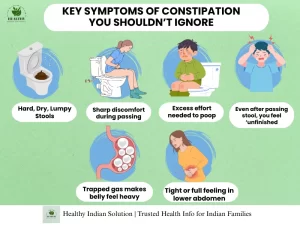
- Stools feel dry, hard, or lumpy
- You need to strain heavily
- You feel like you haven’t completely emptied
- Passing stool becomes painful
- You experience gas buildup or abdominal heaviness
Constipation is extremely common worldwide, affecting millions who seek medical help each year.
Why Constipation Often Leads to Bloating?
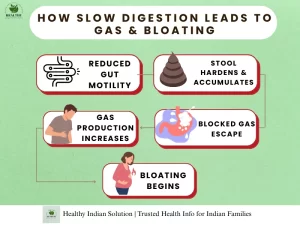
When stool takes longer to move through the intestine, it blocks the release of gas. As undigested food stays inside, gut bacteria break it down and produce larger volumes of gas.
This results in:
- Stomach tightness or pressure
- Belly swelling
- Rumbling noises
- Gas that doesn’t pass
- Discomfort after meals
Around 30% of adults complain of bloating regularly, showing how widespread the problem is.
Additional Symptoms You May Notice
Some people also experience:
- Nausea
- Lower back discomfort
- Loss of appetite
- Reduced energy levels
What Causes Constipation & Bloating?
The reasons can vary from simple diet-related causes to deeper medical conditions. Here are the most common contributors:
Lifestyle & Food-Related Causes
- Low-fiber meals
- Not drinking enough water
- Eating too much processed or fried food
- Sudden diet changes
- Lack of physical movement
- Stress or anxiety
- Eating too fast or gulping excess air
- Carbonated drinks
Medical Conditions That Can Trigger Symptoms
- Irritable bowel syndrome (IBS)
- Lactose intolerance
- Celiac disease
- GERD
- Gut dysbiosis
- Hormonal changes (pregnancy, periods)
- Certain medications
- Neurological disorders
Who Is More Likely to Get Constipated?
Constipation can happen to anyone once in a while, but some people deal with it more frequently. Several everyday habits, life stages and health conditions can increase your chances of becoming regularly constipated.
- Growing Older:
As people enter their senior years, their digestive system doesn’t work as quickly as before. Slower metabolism, reduced physical activity and weaker muscle movements in the intestines make stool pass more slowly leading to more frequent constipation. - Hormonal Shifts:
Fluctuations in hormones especially in women can directly affect gut movement. Pregnancy is a common phase when constipation shows up because hormonal changes slow digestion. As the baby grows, it can also put pressure on the intestines, making it harder for stool to move smoothly. - Low-Fiber Diet:
Not eating enough fruits, vegetables, whole grains or other fiber-rich foods can make constipation a regular problem. Fiber acts like a natural broom that keeps food moving through the digestive tract. - Medications That Slow Digestion – Some medicines can unintentionally reduce bowel movements. Painkillers (especially opioids), certain antidepressants, iron supplements, and medicines for high blood pressure are common examples.
- Health Conditions Affecting the Nervous System or Gut
- Issues with the brain, spinal cord or the digestive organs can interfere with the nerves that help your intestines contract. Conditions like Parkinson’s disease, multiple sclerosis, hypothyroidism or irritable bowel syndrome (IBS) may make chronic constipation more likely.
Can Long-Term Constipation Harm Your Body?
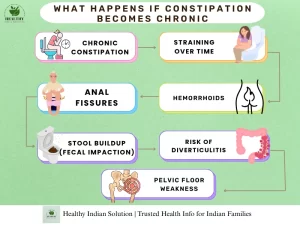
Constipation once in a while is normal, but when your stools stay hard and difficult to pass for long periods, it can lead to several uncomfortable and sometimes serious issues. Here are some problems that may develop if constipation becomes a frequent pattern.
1. Irritated or Enlarged Veins (Hemorrhoids)
Straining too hard during a bowel movement can put pressure on the veins around the rectum. Over time, these veins can swell, become painful, and even bleed.
2. Small Tears Around the Anus (Anal Fissures)
When very dry or hard stool tries to pass through, it can stretch and tear the delicate skin of the anal opening. These tiny cuts can cause sharp pain and spotting of blood during bowel movements.
3. Infection in Colon Pouches (Diverticulitis)
Some people develop small pockets along the colon wall (called diverticula). If stool gets stuck in these pockets and becomes infected, it can lead to diverticulitis a painful digestive complication.
4. Stool Buildup That Becomes Hard to Remove (Fecal Impaction)
5. Weakening of Pelvic floor muscle
Severe constipation can cause poop to accumulate and form a hard block inside your rectum. This may require medical treatment to remove the impacted stool.
Do Toxins Build Up in the Body Due to Constipation?
A common myth is that constipation causes toxins to leak from the stool into your bloodstream. In reality, your colon is designed to hold waste materials for varying lengths of time without harming your body.
Most people feel bloated or uncomfortable, but not “poisoned.” Only in very rare and severe conditions such as toxic megacolon, where the colon becomes dangerously enlarged can toxins actually escape into the body.
How to Manage and Relieve Constipation
Most people can ease mild or occasional constipation right at home with a few simple changes in diet, routine and hydration. The first step is to look at your daily habits what you eat, drink and how active you are and then adjust accordingly.
1. Increase Your Daily Fluids
Sip more water throughout the day an additional 2–4 glasses often helps soften stools.
Try to reduce drinks that dry out your body: caffeinated beverages, alcohol and sugary sodas can make constipation worse.
2. Use Food to Support Healthy Bowel Movements
Make your plate colorful and fiber-rich. Add:
- Fruits (oranges, pineapple, berries, papaya, mango)
- Vegetables
- Whole grains
- Fibrous snacks like prunes and bran-based cereals
Limit foods that tend to clog the system such as fried snacks, processed meats and refined carbs (white bread, pasta, bakery items).
3. Track What Triggers You
A simple food diary can help identify meals that slow down your digestion. Once you recognize your triggers, it becomes easier to avoid them.
4. Move Your Body More
Regular walking, stretching, yoga or any moderate exercise stimulates the muscles in your digestive system, helping stool move along more easily.
5. Adjust Your Toilet Posture
Small posture changes can make a big difference. Try placing your feet on a small stool, leaning forward slightly or using a squat-like position. This straightens the rectum, making it easier for stool to pass.
6. Add Fiber Supplements (If Needed)
If dietary changes aren’t enough, over the counter fiber supplements like psyllium husk or methylcellulose can help. Start with a small dose to avoid bloating.
Examples: Metamucil®, Benefiber®, Polyethylene glycol 3350, Citrucel®
7. Use Mild OTC Laxatives Carefully
Stool softeners or gentle osmotic laxatives can provide short-term relief. However:
- Use them only for a few days
- Avoid relying on them long term
- Always check with a pharmacist or healthcare provider if unsure
Overusing laxatives can actually worsen constipation and weaken bowel muscles.
8. Avoid Distractions During Bowel Movements
Using your phone, reading or scrolling social media can interrupt the natural process. Try to stay focused and relaxed.
9. Respond to the Urge Immediately
Holding in poop repeatedly can dull the signals between your colon and your brain. This makes constipation more likely in the long run. Always go when your body tells you to.
13 Natural Home Remedies to Ease Constipation
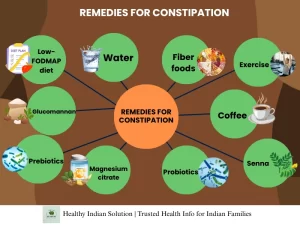
Constipation is extremely common and often linked to your daily habits what you eat, how much you drink, and your activity level. The good news? Most people can find relief with simple, science backed home remedies.
Here are 13 natural and effective ways to get your digestion moving again.
1. Stay Hydrated Throughout the Day
Not drinking enough fluids is one of the most common reasons your stools become dry and difficult to pass. Increasing your daily water intake softens stool and helps it move easily.
Sparkling water may help some people, but sugary sodas can worsen symptoms.
2. Add More Fiber to Your Meals
Fiber adds bulk to your stools and helps them move through your intestines smoothly. Soluble fiber (like psyllium husk) absorbs water and softens stool, while insoluble fiber adds roughage.
Examples of high-fiber foods:
- Oats
- Whole grains
- Beans and lentils
- Vegetables
- Fruits like apples, berries, and papaya
Psyllium is often more effective than wheat bran for constipation.
3. Get Regular Movement
Being inactive slows down your gut. Gentle exercise such as daily walks, swimming, yoga, or cycling stimulates digestion and may reduce constipation symptoms.
4. Try a Cup of Coffee
For many people, coffee naturally stimulates the muscles of the colon. Caffeinated coffee tends to work better than decaf, but if you have IBS, coffee might worsen cramping.
5. Consider Senna (Herbal Laxative)
Senna is a plant-based remedy used for generations to promote bowel movements. It works by activating nerves in the gut.
Use it short-term only, and avoid during pregnancy unless a doctor approves.
6. Eat Probiotic-Rich Foods
A healthy gut microbiome plays a huge role in smooth digestion. Probiotics can rebalance gut bacteria and may improve stool frequency and softness.
Good probiotic foods include:
- Yogurt
- Kimchi
- Sauerkraut
Probiotic supplements may take a few weeks to show results.
7. OTC Laxatives (Use Carefully)
There are several types of over the counter laxatives:
- Fiber supplements (psyllium)
- Stool softeners
- Osmotic laxatives that pull water into the intestines
- Stimulant laxatives that push the bowel to move
Use them only as needed and consult a doctor if you rely on them regularly.
8. Try a Low-FODMAP Diet (If You Have IBS)
Constipation often appears in people with IBS. A low-FODMAP diet helps identify foods that trigger bloating, gas, and constipation.
It’s an elimination diet you cut out high FODMAP foods temporarily and reintroduce them slowly.
Works best when combined with enough hydration and fiber.
9. Glucomannan (A Natural Fiber Supplement)
Glucomannan is a water soluble fiber derived from the root of the konjac plant. It absorbs water and forms a gel that helps stool pass more smoothly.
It works best when paired with plenty of water.
10. Include More Prebiotics
Prebiotics feed the good bacteria in your gut and improve digestion over time. Common prebiotic foods include:
- Garlic
- Onions
- Bananas
- Flaxseeds
- Oats
They help soften stools naturally without harsh effects.
11. Magnesium Citrate (Use Occasionally)
Magnesium citrate draws water into the intestines and can provide quick relief.
However, it should be used occasionally not daily unless a doctor recommends it.
12. Snack on Prunes
Prunes are one of the most effective natural remedies because they contain fiber and sorbitol (a natural compound that softens stools).
A handful a day often works for mild constipation.
13. Limit Dairy If It Makes Symptoms Worse
Some people especially children may experience constipation after eating too much cheese, milk, or heavy dairy products.
Try reducing dairy for a week to see if symptoms improve.
Best Foods to Ease Constipation
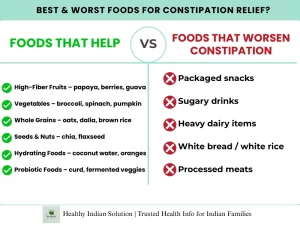
Constipation fewer, harder, or uncomfortable bowel movements is often linked to what you eat. While lifestyle habits and gut conditions do play a role, your daily diet remains the biggest game changer. Choosing the right foods can soften stools, improve gut movement and help you get regular again.
Below is a nutritionist style breakdown of what to add, what to skip, and how fiber actually helps.
How Your Diet Impacts Constipation
Constipation can appear occasionally or become an ongoing issue due to inactivity, dehydration, stress, hormonal shifts, or digestive disorders. But in most cases, certain foods either support smoother digestion or slow down the process.
One nutrient that continuously shows up in constipation research is fiber the structural part of plant-based foods that your body cannot fully digest.
Why Fiber Matters
Fiber does two big jobs inside the gut:
- Feeds your gut bacteria (microbiome): This keeps digestion active and balanced.
- Helps stool movement (gut motility): Fiber adds bulk and softness, making poop easier to pass.
Types of Fiber & Why Both Matter
1. Insoluble Fiber
This is the “scratchy” type of fiber that adds volume to stool and speeds up movement through the intestines. It doesn’t dissolve in water — it simply passes through, pushing everything along.
Rich Sources of Insoluble Fiber
- Fruit & veggie peels (apple skin, cucumber peel, potato skin)
- Greens like spinach, methi, palak
- Popcorn
- Almonds, walnuts
- Dried fruits (kishmish, anjeer, dates)
2. Soluble Fiber
This fiber dissolves in water and forms a soft gel-like texture. It helps retain moisture in stools, making them easier to pass.
Common Sources of Soluble Fiber
- Oats & oatmeal
- Whole grains (millets, barley, brown rice)
- Bananas
- Apples (inner part)
- Cooked vegetables like bottle gourd, pumpkin, carrots
Note: Foods like apples and potatoes offer both insoluble fiber (in the peel) and soluble fiber (inside).
Best Foods to Relieve Constipation
1. Fruits high in fiber: Oranges, papaya, berries, pears, guava, apples
2. Vegetables: Broccoli, leafy greens, carrots, pumpkin, beetroot
3. Whole grains: Oats, dalia, brown rice, multigrain roti
4. Nuts & seeds: Chia seeds, flaxseeds, almonds
5. High-fiber picks: Prunes, bran cereal, figs, sweet corn
6. Hydrating foods: Coconut water, fruits with high water content
How Much Fiber Should You Consume?
For smooth digestion, experts generally recommend:
- Women: 25–30 grams per day
- Men: 30–38 grams per day
If you’re not used to high-fiber foods, increase slowly. A sudden jump can cause gas, discomfort, or bloating.
Foods to Avoid if You Are Constipated
- Fried foods
- Sugary drinks and packaged juices
- Excess red meat
- Heavy dairy (cheese, cream)
- Refined carbs like white bread, white rice, white pasta
Tips for a Smooth Transition
- Add fiber in stages (not suddenly)
- Increase water intake along with fiber
- Include daily movement even a 20-30 min walk helps
- Maintain a regular meal schedule
Note from Healthy Indian Solution

At HealthyIndianSolution, we understand that constipation is a common yet often overlooked concern that can affect your comfort, routine and overall health. Our aim is to share clear, practical, and trustworthy guidance to help you manage symptoms safely at home.
Every tip and recommendation in this article is created with care, based on reliable health sources and everyday practicality. Still, constipation can vary from person to person. If symptoms persist or worsen, we strongly encourage seeking medical advice for proper evaluation and long-term relief.
Your well-being is always our priority