
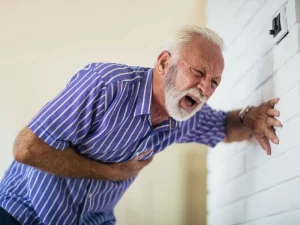
Did you know a heart attack can strike without warning?
Many people ignore early symptoms, thinking it’s just acidity or tiredness, and only realize when it’s too late. Protecting your heart starts with awareness. In this blog, we’ll cover what a heart attack is, how to spot warning signs, common causes, and simple prevention tips to keep your heart healthy.
What is a Heart Attack?
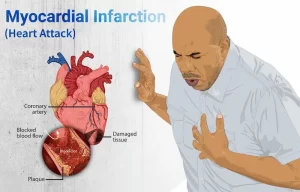
A heart attack happens when the blood flow to the heart is blocked. This blockage is often caused by a build-up of fat, cholesterol, and other substances, which form a plaque in the arteries that feed the heart (coronary arteries).
When the blood flow is blocked, part of the heart muscle doesn’t get enough oxygen and begins to die. Acting quickly can save a life.
Warning signs of a Heart Attack
Heart attack symptoms may vary from person to person, and not everyone gets a sudden chest pain like shown in movies. Some people have silent symptoms that are easy to miss.
Common signs include:
- Chest pain or discomfort (tightness, pressure, squeezing sensation).
- Pain spreading to the shoulder, arm, back, neck, or jaw.
- Shortness of breath.
- Sweating, nausea, or vomiting.
- Dizziness or lightheadedness.
- Unusual fatigue, especially in women.
Understanding the reasons for Heart Attack
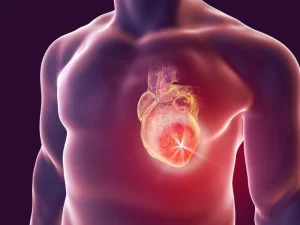
Heart attacks are one of the top reasons for death around the world. They often happen suddenly and can change lives in an instant. Knowing the reasons behind heart attacks is very important for preventing them and staying healthy. Let’s break it down in easy points:
1. Blocked arteries (coronary artery disease)
- The main reason for heart attacks is Coronary Artery Disease (CAD).
- CAD happens when fatty deposits called plaque build up in the arteries that supply blood to the heart.
- These deposits make the arteries narrow, which reduces blood flow and oxygen to the heart.
- If a plaque suddenly bursts, it can cause a blood clot that blocks the artery completely. This blockage leads to a heart attack.
2. Unhealthy lifestyle habits
- Eating unhealthy food (too much oil, fried items, fast food) increases cholesterol and plaque in arteries.
- Lack of exercise causes weight gain and high blood pressure.
- Smoking damages the inner lining of arteries and makes blood thicker, increasing clot chances.
- Drinking too much alcohol raises blood pressure and fat levels in the blood.
3. Health problems that increase risk
- High Blood Pressure (Hypertension): Puts extra stress on arteries and causes damage over time.
- Diabetes: High sugar levels damage blood vessels and speed up plaque build-up.
- High Cholesterol: Bad cholesterol (LDL) sticks to artery walls, making them narrow.
- Obesity: Extra weight puts pressure on the heart and leads to other risk factors.
4. Family history and genetics
- If someone in your family (parents, grandparents) had heart disease, your risk is higher.
- This is because some people inherit high cholesterol, high blood pressure, or diabetes from their family.
5. Age and gender
- As you get older, arteries naturally become stiffer and weaker.
- Men usually have higher chances of heart attacks between 45–65 years.
- Women’s risk goes up after menopause because of lower estrogen levels (a hormone that protects the heart).
6. Stress and mental health
- Long-term stress increases blood pressure and releases hormones like cortisol, which harm the heart.
- Depression and anxiety can make people eat poorly, avoid exercise, or start smoking all of which add to the risk.
7. Environment and surroundings
- Living in polluted areas damages blood vessels due to harmful particles in the air.
- People with less access to good healthcare may not detect heart problems early, increasing risks.
Prevention of Heart Attack
Heart attacks are one of the top reasons for death around the world. The good news? Most of them can be prevented by following healthy habits and making smart choices. Here’s how you can protect your heart step by step:
1. Know your risk factors
- Eating too much junk food, not moving enough, smoking, drinking too much alcohol, and stress can harm your heart.
- Health issues like high BP, high cholesterol, diabetes, and obesity also increase your risk.
- Family history matters too – if heart disease runs in your family, be extra careful.
- Once you know your risks, you can take the right steps to reduce them.
2. Eat a heart-healthy Diet
- Fill your plate with fruits, vegetables, whole grains, lean meats, fish, nuts, and healthy fats.
- Cut down on salt, fried foods, sugary drinks, and packaged snacks.
- Eat fish like salmon or mackerel for omega-3 fatty acids – they are great for your heart.
- Drink plenty of water and avoid overeating.
3. Stay active every day
- Aim for at least 30 minutes of exercise most days of the week (like walking, cycling, yoga, or swimming).
- It helps you maintain a healthy weight, lower BP, and improve cholesterol.
- Staying active also reduces stress and keeps your mood positive.
4. Quit smoking & cut down on alcohol
- Smoking damages your heart and blood vessels – quitting is one of the best things you can do.
- If you drink, do it in moderation. Too much alcohol can raise blood pressure and add extra calories.
5. Keep health conditions under control
- If you have diabetes, high BP, or high cholesterol, take medicines as your doctor says.
- Combine it with a healthy lifestyle for even better results.
- Go for regular check-ups to monitor your health and catch problems early.
6. Manage stress and sleep well
- Stress increases BP and triggers unhealthy habits like overeating or smoking.
- Try meditation, deep breathing, or hobbies you enjoy to relax.
- Get 7-9 hours of good sleep every night – poor sleep affects heart health too.
7. Go for regular health check-Ups
- Get your BP, sugar, and cholesterol checked regularly.
- Early detection makes treatment easier and prevents future complications.
- Talk to your doctor about your lifestyle and ask for a heart health plan that suits you.
Diagnosis and Tests: How do i know if I’ve had a Heart Attack?

If you’re having symptoms of a heart attack, doctors usually make the diagnosis in an emergency setting. The earlier you get medical help, the better the chances of reducing damage to your heart.
When you arrive at the hospital, healthcare providers will:
- Check your pulse, blood pressure, and oxygen levels.
- Listen to your heart and lungs with a stethoscope.
- Ask about the symptoms you felt and when they started.
- If someone was with you during the episode, they might ask them to describe what happened.
These first steps help doctors quickly decide the next tests and treatments.
What tests are done to confirm a Heart Attack?
Doctors use a mix of tests to see if your heart has been affected. Here’s how they find out:
1. Blood tests
- When heart muscle cells are damaged during a heart attack, they release certain proteins into the blood.
- Cardiac troponin is the most important marker doctors check for—it’s a clear sign of heart injury.
2. Electrocardiogram (ECG or EKG)
- This is often the first test done in the ER.
- It records your heart’s electrical signals and can show if there’s any damage or abnormal rhythms.
3. Echocardiogram
- Using sound waves, this test creates moving images of your heart.
- It helps doctors see how well your heart is pumping and check for valve problems.
4. Coronary angiography (Cardiac catheterization)
- In this procedure, doctors use X-rays and a special dye to view your heart’s blood vessels.
- It helps identify blockages or narrow areas in the arteries.
5. Heart CT scan
- This test gives detailed images of your heart and blood vessels.
- It helps show if there’s any hardening or narrowing in the coronary arteries.
6. Heart MRI
- An MRI uses magnets and computers to create detailed pictures of your heart.
- It’s helpful for checking blood flow and finding damaged areas.
7. Stress tests
- These tests show how your heart performs when it’s working harder, like during exercise or with medicine that simulates activity.
- Doctors may use ECG, ultrasound, or nuclear imaging during a stress test to check blood flow.
8. Nuclear heart scans
- A small amount of radioactive dye is injected to highlight areas of poor blood flow.
- Imaging techniques like SPECT or PET scans then capture detailed pictures of your heart.
Point to note:
To confirm a heart attack, doctors rely on a mix of physical exams, blood tests, imaging scans, and advanced procedures. These tests not only detect a heart attack but also guide the best treatment to save heart tissue and prevent further damage.
Management and Treatment: How is a Heart Attack treated?
A heart attack is a serious medical emergency that needs quick action. Knowing how it’s treated can help save lives and support recovery. Here’s a simple steps doctors take to manage and treat a heart attack.
1. Immediate response and emergency care
- When someone shows signs of a heart attack (like chest pain, breathlessness, or nausea), call emergency services right away.
- Give them an aspirin if advised, as it can thin the blood and prevent more clots.
- Help the person sit down and stay calm while waiting for medical help.
- In the hospital, doctors give oxygen, pain relief, and check vital signs to stabilize the patient.
- Tests like ECG (electrocardiogram) and blood work confirm the heart attack and guide the next steps.
2. Medicines to treat a heart attack
Doctors use several medicines to reduce damage and prevent further problems:
- Aspirin and other antiplatelets: Stop new clots from forming.
- Clot-busting drugs (thrombolytics): Help dissolve clots in blocked arteries (best given within a few hours of symptoms).
- Beta-blockers: Lower heart strain and blood pressure.
- ACE inhibitors: Help the heart heal and work better.
- Statins: Reduce cholesterol and stop plaque build-up in arteries.
3. Procedures to restore blood flow
To quickly open blocked arteries, doctors may use:
- Angioplasty (PCI): A small balloon is placed in the blocked artery to open it, and a stent (tiny wire mesh tube) is put in to keep it open.
- Bypass surgery (CABG): Surgeons use healthy blood vessels from other parts of the body to create a new path for blood flow around the blockage.
These procedures improve blood flow and reduce the risk of another heart attack.
4. Long-term care and lifestyle changes
After treatment, patients need to make changes to protect their heart:
- Quit smoking completely.
- Eat healthy foods like fruits, veggies, whole grains, and lean protein.
- Exercise regularly, as advised by the doctor.
- Maintain a healthy weight and avoid stress as much as possible.
- Take medicines regularly and never skip doses.
Regular doctor visits help track recovery and adjust treatment if needed.
5. Cardiac rehabilitation and emotional support
- Cardiac rehab programs guide patients on safe exercises, healthy habits, and stress management.
- These programs also help people deal with the emotional effects of a heart attack, like fear or anxiety.
- Joining support groups can make recovery easier and keep motivation high.
Possible risks and after-effects of Heart Attack treatments
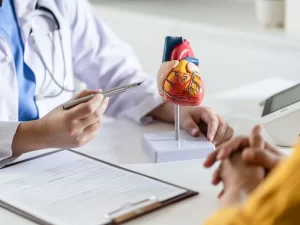
Every treatment comes with its own set of possible effects on the body. While most are manageable, it’s good to know what you might experience during recovery. Here are some common issues that can happen depending on the type of treatment:
- Feeling sick or uneasy in the stomach
Some medicines or procedures may cause mild nausea or make you feel like vomiting. - Tiredness or low energy
Your body might feel weak as it heals from the treatment and the heart attack itself. - Dizziness or feeling faint
Lightheadedness can happen, especially when standing up too fast or due to changes in blood pressure. - Bruising or bleeding
This can occur at the site where catheters were inserted or because of blood-thinning medications. - Infections
There’s a small chance of infection, especially after surgeries or procedures involving cuts in the skin. - Injury to blood vessels
In rare cases, procedures like angioplasty can cause damage to nearby blood vessels. - Irregular heartbeats (arrhythmias)
Some patients may experience changes in heart rhythm that need monitoring. - Strain on the kidneys
Certain imaging dyes or medications can sometimes affect kidney function. - Risk of stroke
Though uncommon, some treatments may slightly raise the chance of blood clots leading to a stroke.
Point to note:
Most of these side effects are temporary and improve with proper care. Doctors take precautions to lower these risks and will guide you on how to manage them if they occur.
How soon will you feel better after a heart attack?

After you get treatment for a heart attack, your symptoms usually start improving as your heart begins to recover. However, it’s normal to feel tired and weak for a few days during your hospital stay and even after you return home. Your doctor will guide you about rest, medications, and steps to take for a smooth recovery.
The time it takes to feel better also depends on the type of treatment you received. Here’s what you can generally expect:
1. If you were treated with medications only
- Recovery tends to be a little slower as your body heals naturally.
- Most people who are treated with medicines alone stay in the hospital for about six days before going home.
2. If you had a PCI (Angioplasty with Stent)
- PCI is a less invasive procedure, so healing is quicker compared to surgery.
- On average, people stay in the hospital for around four days after this procedure.
3. If you had CABG (Heart Bypass Surgery)
- Since bypass surgery is more complex, recovery takes longer.
- The hospital stay for CABG is usually between 8 to 12 days, depending on how well you’re healing.
What happens after you leave the hospital?
Even after going home, you might feel tired or low on energy for a few weeks. Following your doctor’s advice on medicines, diet, and physical activity will help speed up your recovery. Slowly, as you regain strength, you’ll start feeling more like yourself again.
Point to note:
Every recovery is different. Some people bounce back faster, while others take a little more time to heal. Be patient with your body and focus on small steps each day.
Life after a Heart Attack: What should you expect?
Recovering from a heart attack doesn’t stop when you leave the hospital. To lower your chances of having another one, you’ll need to stick to your prescribed medicines and make some healthy changes to your daily routine.
When can I get back to normal activities?
How quickly you return to your usual routine depends on:
- The seriousness of your heart attack.
- How fast you got treatment.
- The type of treatment you received (medications, stents, or surgery).
- Your overall health before the heart attack.
Most people can slowly ease back into work and regular activities within 2 weeks to 3 months. Cardiac rehabilitation programs are a great way to build strength and confidence while increasing activity safely.
What’s the recovery outlook?
Thanks to modern treatments, many people recover well from heart attacks. However, some factors can affect your long-term outlook:
- Higher Risk Groups:
- People over 65.
- Those with heart failure or diabetes.
- Anyone who has already experienced a heart attack before.
These groups may need closer monitoring as they have a higher chance of complications or another heart attack in the next six months. Doctors focus on aggressive risk management to improve outcomes.
What about women?
- Women under 45 (before menopause) often recover better than men of the same age, thanks to estrogen’s protective effects on the heart.
- After menopause, women lose that advantage.
- Women between 45 and 65 are more likely than men to pass away within a year of their heart attack.
- Women over 65 also face a higher risk of complications or death shortly after a heart attack compared to men.
Point to note:
Recovering from a heart attack is a journey, but with the right care, lifestyle changes, and support from your healthcare team, you can greatly reduce your risks and enjoy a healthier life. Actively following your doctor’s advice makes all the difference.
Note from Healthy Indian Solutions

If an artery in your heart gets blocked, immediate medical help is the key to saving your heart and your life. Don’t assume that you’re safe just because your symptoms aren’t very strong or painful. Heart attack symptoms can often be mild, especially in the early stages, but they are still dangerous.
In India, many people hesitate or delay going to the hospital but every second counts. Instead of driving yourself or asking someone else to take you, call an ambulance or emergency services right away. That decision could save crucial heart muscle and give you a much higher chance of full recovery.
Remember: Acting fast can make all the difference for your heart health.
Brought to you with care by HealthyIndianSolutions – your trusted partner for simple, practical health tips for every Indian home.