
Diabetes: Early Signs, Symptoms & Smart Prevention You Must Know
What is Diabetes?
Diabetes is a long-term condition in which your body struggles to regulate blood sugar levels properly. This happens when the pancreas fails to make enough insulin or when the body becomes resistant to the insulin produced. As a result, sugar starts building up in the bloodstream, affecting vital organs over time. Today, diabetes has become a global health concern — but with the right awareness, dietary habits, and lifestyle changes, it can be effectively controlled.
Did you know? Regular exercise and mindful eating habits can lower your diabetes risk by up to 58%, according to the World Health Organization.
What Happens in Diabetes?
Your body converts food into glucose (sugar), which provides energy. The pancreas releases a hormone called insulin, which helps glucose enter your cells.
When insulin is not produced in enough quantity or your body stops responding to it sugar remains in the bloodstream instead of being used for energy. This leads to high blood sugar, the key sign of diabetes.
Major Types of Diabetes
1. Type 1 Diabetes
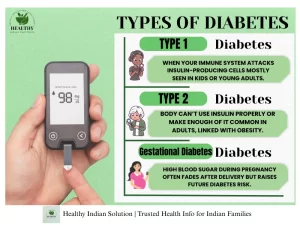
An autoimmune condition where the immune system attacks pancreatic cells, stopping insulin production. It often appears during childhood or teenage years. Insulin injections are essential for survival.
2. Type 2 Diabetes
The most common type, responsible for nearly 90–95% of all diabetes cases. The body becomes resistant to insulin or doesn’t use it properly. It develops slowly, often due to poor lifestyle and diet habits.
3. Gestational Diabetes
Occurs during pregnancy when hormonal changes cause high blood sugar levels. Though temporary, it increases the risk of developing type 2 diabetes later in life.
Warning Signs & Symptoms
Be alert if you experience any of these symptoms:
- Frequent urination
- Excessive thirst or hunger
- Unexplained weight loss
- Fatigue or low energy
- Blurred vision
- Numbness in hands or feet
- Non-healing wounds
- Dry or itchy skin
- Early detection can prevent complications such as heart disease, nerve damage, and kidney problems.
Who Is at Risk?
You might be at higher risk if you have:
- Family history of diabetes
- Age above 40
- Obesity or being overweight
- Sedentary routine
- History of gestational diabetes
- High blood pressure or cholesterol levels
Simple Lifestyle Tips to Prevent or Manage Diabetes
1. Stay Active
Engage in at least 30 minutes of exercise five days a week.
Try walking, cycling, yoga, or light jogging — they improve insulin sensitivity and burn excess glucose.
2. Eat Smart
Adopt a balanced, home-cooked diet rich in whole grains, fiber, protein, and healthy fats.
Prefer small, frequent meals to avoid blood sugar spikes.
Best foods to include:
- Leafy vegetables like spinach and methi
- Whole grains (oats, brown rice, quinoa)
- Nuts and seeds (almonds, flaxseeds)
- Fruits like papaya, guava, apple
- Lentils and beans
Foods to avoid:
- Sugary drinks and desserts
- White bread and refined flour
- Fried or processed foods
- Bakery items and sweetened juices
Natural Remedies That Support Blood Sugar Control

These home-based remedies can support your diabetes management naturally (after doctor’s advice):
- Fenugreek seeds (Methi Dana): Soak overnight and drink the water in the morning — helps improve insulin function.
- Bitter gourd (Karela) juice: Contains compounds that lower blood glucose levels.
- Cinnamon: A small pinch daily may help regulate sugar metabolism.
- Aloe vera juice: Helps reduce fasting blood glucose when consumed moderately.
Gooseberry (Amla): Boosts insulin secretion naturally.
Note : Always consult your doctor before trying any home remedy, especially if you’re already on diabetes medication.
Top 8 Refreshing and Healthy Drinks to Naturally Control Diabetes
1. Fresh Vegetable Juice
Vegetable juices are rich in antioxidants, fiber, and vitamins — all of which support blood sugar balance. Carrots, spinach, and celery work wonders in improving metabolism and reducing insulin resistance.
Ingredients: 2 carrots, 2 celery stalks, 1 green apple, and a handful of spinach leaves.
Preparation: Wash thoroughly, peel carrots and apple, and blend all ingredients together until smooth. Consume once daily for best results.
Pro Tip: Add a pinch of ginger or lemon juice for enhanced flavor and detox benefits.
2. Mango Leaf Infusion (Natural Detox Tea)
Mango leaves are rich in flavonoids and tannins that help regulate insulin and improve glucose utilization. Regular consumption can reduce fasting sugar levels naturally.
Ingredients: 4–5 tender mango leaves, 1 cup of water.
Preparation: Boil the leaves for 10–15 minutes, allow to steep overnight, and strain in the morning. Drink warm on an empty stomach.
Tip: You can refrigerate the tea and enjoy it as a cooling detox drink during the day.
3. Lemon-Ginger Water
Lemon and ginger both have anti-inflammatory properties that support healthy digestion and blood sugar regulation.
Ingredients: 1 cup warm water, juice of ½ lemon, and 1 teaspoon grated ginger.
Preparation: Mix and drink early morning. Optionally, add a pinch of turmeric for additional benefits.
4. Beetroot Power Juice
Beetroot juice is packed with nitrates and antioxidants that improve blood circulation and reduce insulin resistance.
Ingredients: 1 beetroot, 3 mint leaves, 1 cup of water.
Preparation: Blend beetroot and mint together for 2–3 minutes. Strain and enjoy once daily.
Bonus Tip: Add half a lemon for a refreshing tang and an extra dose of vitamin C.
5. Bitter Gourd (Karela) Juice
One of the most powerful natural remedies for diabetes, bitter gourd helps stimulate insulin production and lowers blood sugar spikes.
Ingredients: 1 bitter gourd, ½ lemon, a pinch of salt, 1 cup of water.
Preparation: Cut and deseed the karela, soak for 30 minutes, and blend with lemon juice and salt. Strain before drinking.
Best time to drink: Early morning on an empty stomach for maximum benefit.
6. Grapefruit Juice
Grapefruit is a natural source of antioxidants that help manage insulin sensitivity. It also supports healthy metabolism and fat reduction.
Ingredients: 1 fresh grapefruit.
Preparation: Squeeze the juice and drink immediately. Chill it slightly for a refreshing start to your day.
Pro Tip: Avoid adding sugar — instead, mix with a little cold water for a lighter flavor.
7. Tomato Juice
Tomatoes contain lycopene, which improves heart health and reduces oxidative stress — both crucial for people with diabetes.
Ingredients: 2 ripe tomatoes, 1 cup water, pinch of pink salt.
Preparation: Blend and strain the juice or simmer gently for 10 minutes. Serve chilled.
Health Boost: Combine with cucumber for an even more refreshing, low-calorie mix.
8. Aloe Vera & Amla Detox Drink
Aloe vera improves insulin sensitivity, while amla (Indian gooseberry) promotes natural insulin production. Together, they make a powerful morning tonic.Ingredients: 2 tablespoons aloe vera juice, 2 tablespoons amla juice, 1 glass of water.
Preparation: Mix and consume early morning on an empty stomach.
Pro Tip: Add a mint leaf for a refreshing taste.
8 Easy & Wholesome Indian Dinners for Diabetes Control
1. Protein-Packed Quinoa Veg Pulao
Why it’s good: A nutritious twist on traditional chawal (rice) pulao, this one keeps your tummy full and blood sugar steady. Quinoa is rich in protein and fiber — both essential for diabetic-friendly meals.
Ingredients:
- 1 cup quinoa
- 1 small pyaz (onion), finely chopped
- 1 cup mixed sabzi (carrot, matar, beans, shimla mirch)
- 2 cloves garlic, crushed
- ½ tsp haldi (turmeric)
- Salt as needed
- 1 tbsp olive oil
Instructions:
- Rinse quinoa well under cold water.
- Heat olive oil in a pan and sauté pyaz and garlic till golden.
- Add all sabzi and stir-fry for 3–4 minutes.
- Add quinoa, haldi, salt, and 2 cups of water.
- Cover and cook for 15 minutes till quinoa becomes fluffy.
- Fluff it with a fork before serving.
Pro Tip: Add jeera (cumin) while sautéing for extra aroma.
Best Pair With: Fresh dahi or cucumber raita.
2. Cauliflower Flatbread (Low-Carb Roti Alternative)
Why it’s good: Made with gobhi (cauliflower), this roti is light, gluten-free, and full of fiber. Perfect for replacing regular atta roti.
Ingredients:
- 1 medium gobhi, grated
- ½ cup coconut flour or almond flour
- Salt to taste
Instructions:
- Steam grated gobhi lightly for 3–4 minutes.
- Squeeze all extra water using a cotton cloth.
- Mix with coconut flour and salt to form dough.
- Roll into small balls and flatten like roti.
- Cook on tawa both sides till golden.
Pro Tip: Add ajwain (carom seeds) for better digestion.
Serve With: Palak moong dal or methi chana curry.
3. Oats & Chickpea Cutlets
Why it’s good: Fiber and protein rich — keeps sugar under control.
Ingredients:
- 1 cup boiled chana(chickpea)
- ½ cup oats
- Salt & pepper to taste
- Coriander leaves
Instructions:
- Mash chana, mix with oats and masala.
- Shape into patties, cook on tawa till crisp.
- Serve with mint chutney.
4. Curry-Spiced Roasted Baingan (Eggplant)
Why it’s good: Baingan is low in calories and carbs — great for sugar control.
Ingredients:
- 2 medium baingan (eggplants)
- 1 tbsp curry masala powder
- 1 tbsp olive oil
- Salt to taste
Instructions:
- Cut baingan into halves, score with knife.
- Brush olive oil and sprinkle salt + curry powder.
- Roast at 200°C for 25 minutes till golden.
Serve With: Curd dip or whole grain roti.
5. Soya chunks veggie stir fry
Why it’s good: Soya nuggets are protein-packed and perfect meat substitutes.
Ingredients:
- 1 cup soya chunks (nuggets), soaked
- 1 cup mixed vegetables (carrot, beans, capsicum)
- 2 garlic cloves, minced
- 1 tbsp olive oil
- Salt to taste
Instructions:
- Squeeze soya chunks after soaking.
- Heat oil, sauté garlic, then veggies.
- Add soya chunks and salt.
- Stir-fry for 5–6 minutes.
6. Daliya(broken wheat) vegetable khichdi
Why it’s good: High in fiber, easy to digest, keeps sugar levels stable.
Ingredients:
- 1 cup daliya (broken wheat)
- Mixed vegetables (carrot, peas, corn)
- ½ tsp haldi
- Salt, olive oil
Instructions:
- Sauté sabzi in oil.
- Add daliya, haldi, salt, and water.
- Cook till soft.
7. Masoor dal soup
Why it’s good: Perfect for light dinner — warm, soothing, and keeps sugar steady overnight.
Ingredients:
- 1 cup masoor dal
- Salt & pepper
- Olive oil, coriander
Instructions:
- Boil dal till soft.
- Blend to smooth consistency.
- Add masala, simmer, and drizzle oil.
8. Barley khichdi (Jau ki khichdi)
Why it’s good: Jau (barley) has a low glycemic index, keeping blood sugar stable and digestion strong.
Ingredients:
- 1 cup barley, soaked overnight
- 1 cup mixed sabzi (carrot, beans, matar)
- ½ tsp haldi
- 1 tbsp olive oil
- Salt to taste
Instructions:
- Heat oil in cooker and sauté sabzi for 2–3 minutes.
- Add soaked barley, haldi, salt, and 3 cups water.
- Cook on low flame till soft.
- Add a spoon of ghee and serve hot.
Pro Tip: Mix some curd or pickle for a complete meal.
Long-Term care and monitoring
- Get your blood sugar checked every 3–6 months.
- Monitor HbA1c levels regularly.
- Keep an eye on blood pressure and cholesterol.
- Schedule yearly eye and kidney check-ups.
- Manage stress through yoga, meditation, or breathing exercises.
Final thoughts by Healthy Indian Solutions

Managing diabetes isn’t about giving up on your favorite foods or living with restrictions—it’s about balance, awareness, and consistency. With small lifestyle changes, regular health check-ups, and mindful eating, you can keep your blood sugar within range and live a full, energetic life.
At Healthy Indian Solutions, we believe prevention starts with awareness and daily healthy choices. Begin your journey today—walk a little more, eat a little better, and stay committed to your health every day.
Healthy Indian Solutions guiding you towards a healthier, happier, and balanced life.